STEM Students: How to Be Career Ready in 2026

Why you should start preparing for your career in your first year

Today’s job market is competitive, and employers make decisions quickly. Good grades are important, but they are not enough to help you stand out. Employers want more than technical skills. They look for communication, teamwork, professionalism, critical thinking, and the ability to apply what you know in real situations. NACE’s career-readiness framework reflects this shift, identifying communication, critical thinking, teamwork, professionalism, technology, leadership, and career self-development as workplace skills.

This matters in an AI-driven market. IBM notes that AI is changing not only how work gets done, but also what skills jobs require. As AI handles routine tasks, workers are expected to contribute through business thinking, critical evaluation, contextual understanding, and judgment. For STEM students, soft skills and human interaction are becoming more valuable. Starting in year one gives students time to build experience, confidence, and evidence of their value before a job search begins.

Practical career tips to be job-search ready:

Build proof earlier

  • Don’t wait for the perfect internship to begin. Start building evidence early through labs, design teams, student clubs, hackathons, competitions, volunteer work, technical projects, and research roles.
  • Use these experiences to demonstrate problem-solving, accountability, teamwork, and initiative. They also give you examples for your resume, interviews, and networking.
  • A strong candidate can clearly explain the problem, what they did, the tools they used, and the lessons or achievements they gained. Many students fall short here: they have experience, but they struggle to present it effectively.

Gain industry exposure before you need it

  • Attend career fairs, employer panels, technical talks, alumni events, and networking sessions, even in your early years. Do not wait until you need a job to start talking to recruiters and industry professionals.
  • Be curious. Ask how they describe their work, what problems they solve most often, how they approach them, and what skills they value most.
  • Industry exposure helps you understand the market before you enter it. It also helps you connect academic learning with workplace expectations and differentiate yourself.

Learn how to explain your value

  • Many students say, “I do not have enough relevant experience on my resume.” In reality, academic work, team projects, labs, volunteering, and extracurricular involvement can be transferable when framed well.
  • Practice describing your experience using a project-based structure: What was the problem? What was your role? What tools did you use? What was the result?  
  • Communication is not a “nice to have” in STEM. It is part of being employable. NACE’s framework identifies communication and professionalism as core competencies.

Use AI as a tool. Do not let AI do your thinking

  • AI can support research, editing, and structure. However, reflection, judgment, and values are personal, and students still need to think for themselves.
  • Efficiency does not automatically mean quality. Using AI to tailor resumes faster or mirror job descriptions may increase speed, but it does not guarantee stronger applications.
  • Students still need to understand employer needs, connect their experience to the role, and communicate their value clearly in interviews. This is where many fall short: the resume may look aligned, but the real connection is missing.

Closing

Being career-ready in 2026 means demonstrating to employers that you can learn, adapt, communicate, collaborate, and apply your knowledge in real-world environments. Start early, build evidence, develop confidence, and connect academic experience to employer needs.

Sources: NACE Career Readiness Competencies (2025) and IBM, AI and the Future of Work.

Silvana Mello

Silvana Mello is an HR and early talent specialist with over 15 years of experience across private industry, post-secondary education, and career development. Her work brings together talent acquisition, campus recruitment, employer engagement, and co-op education, with a consistent focus on strengthening the connection between education and the labour market. Her perspective was shaped early in her career through HR and talent acquisition roles in private industry, where she developed a strong understanding of workforce needs, recruitment strategy, and the value of connecting business leaders to the campus experience.
As an HRBP, she led national early talent hiring for undergraduate and graduate programs, partnering with universities and business leaders to attract and assess high-potential students. She later applied her HR expertise at the University of Toronto, working across career centres to deliver employer relations and career development services, particularly within the Faculty of Applied Science & Engineering and the Management Co-op Program. There, she led co-op curriculum, supported student career development, and partnered with hundreds of employers, bringing labour market insights into classrooms and student experiences.
As Founder of Talent Balloon since 2019, an early talent recruitment and career development company, she continues her mission to connect employers and early talent through recruitment strategy, employer education, and career initiatives. Her work is driven by a passion for supporting students and advancing inclusive hiring, helping organizations attract and develop early career talent.

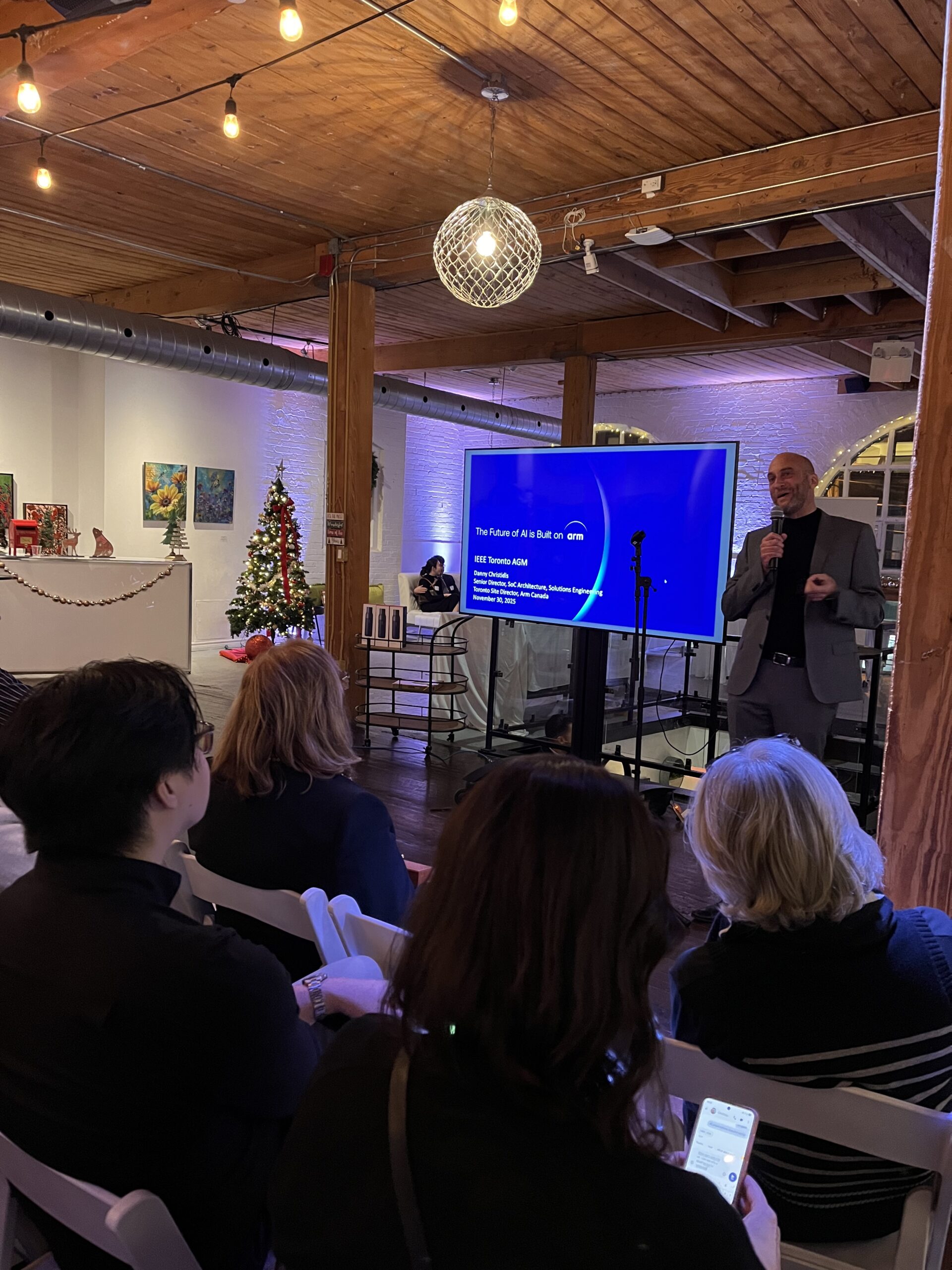
AGM 2025

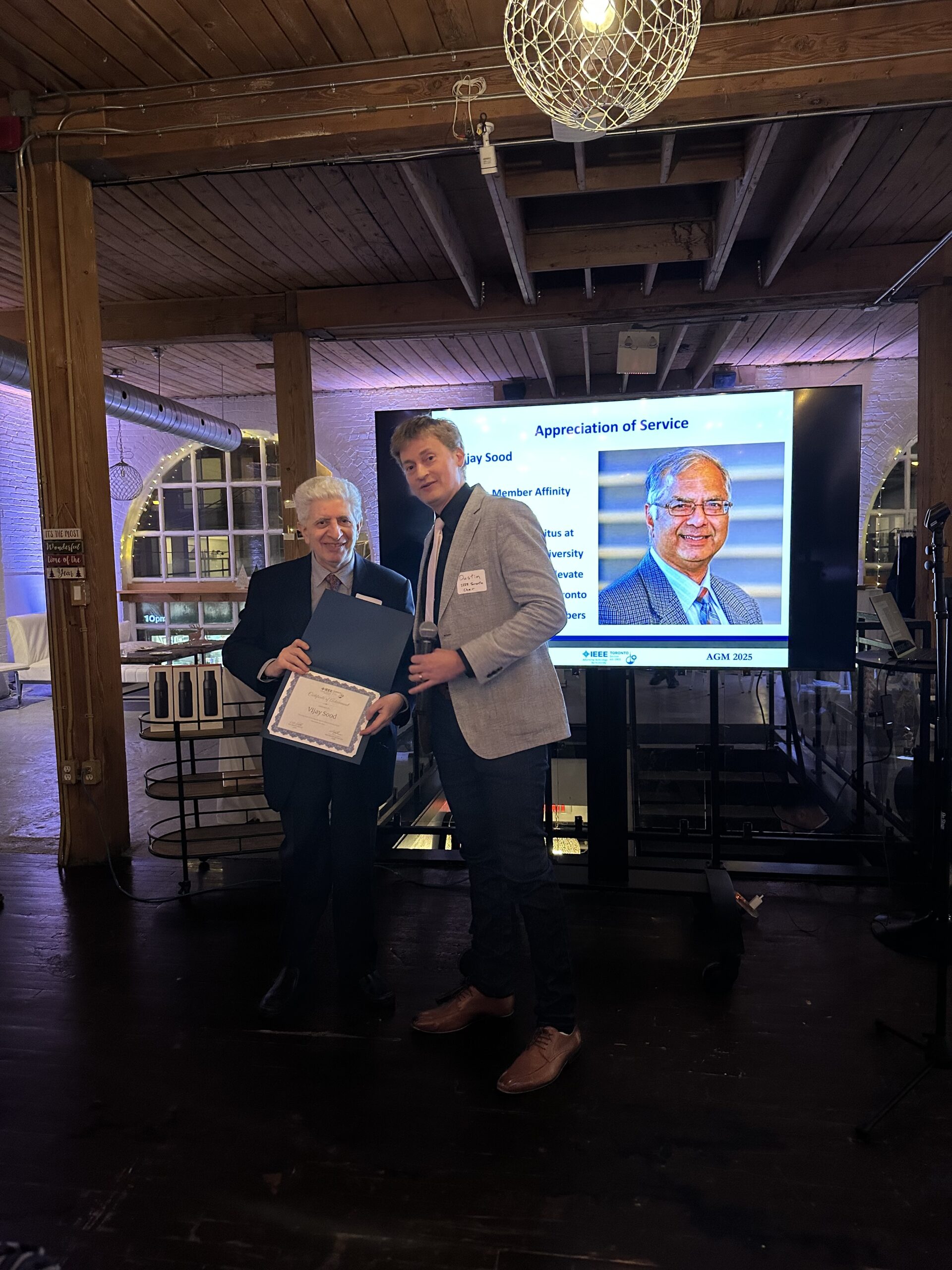
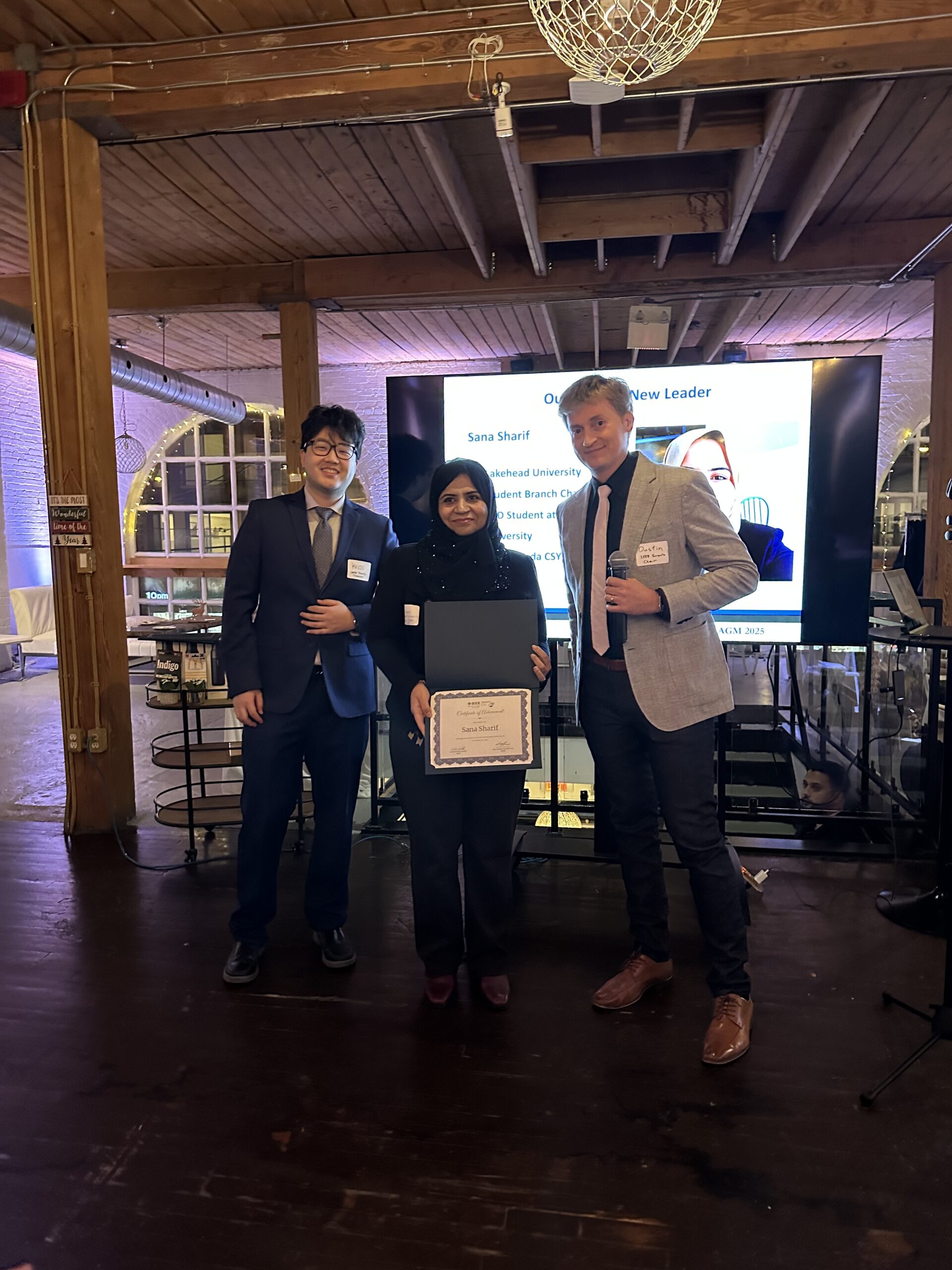
The 2025 Section Awards were presented to:

  1. Sanjar Maskat – Centennial College Student Branch Advisor
  2. Sana Sharif – Lakehead University Student Branch Chair
  3. Quardin Lyttle – York University Student Branch Advisor
  4. Nikoo Givehchian – Young Professionals Affinity Group Volunteer
  5. Ayda Naserialiabadi – Women in Engineering Vice Chair
  6. Vijay Sood – Life Member Affinity Group Chair

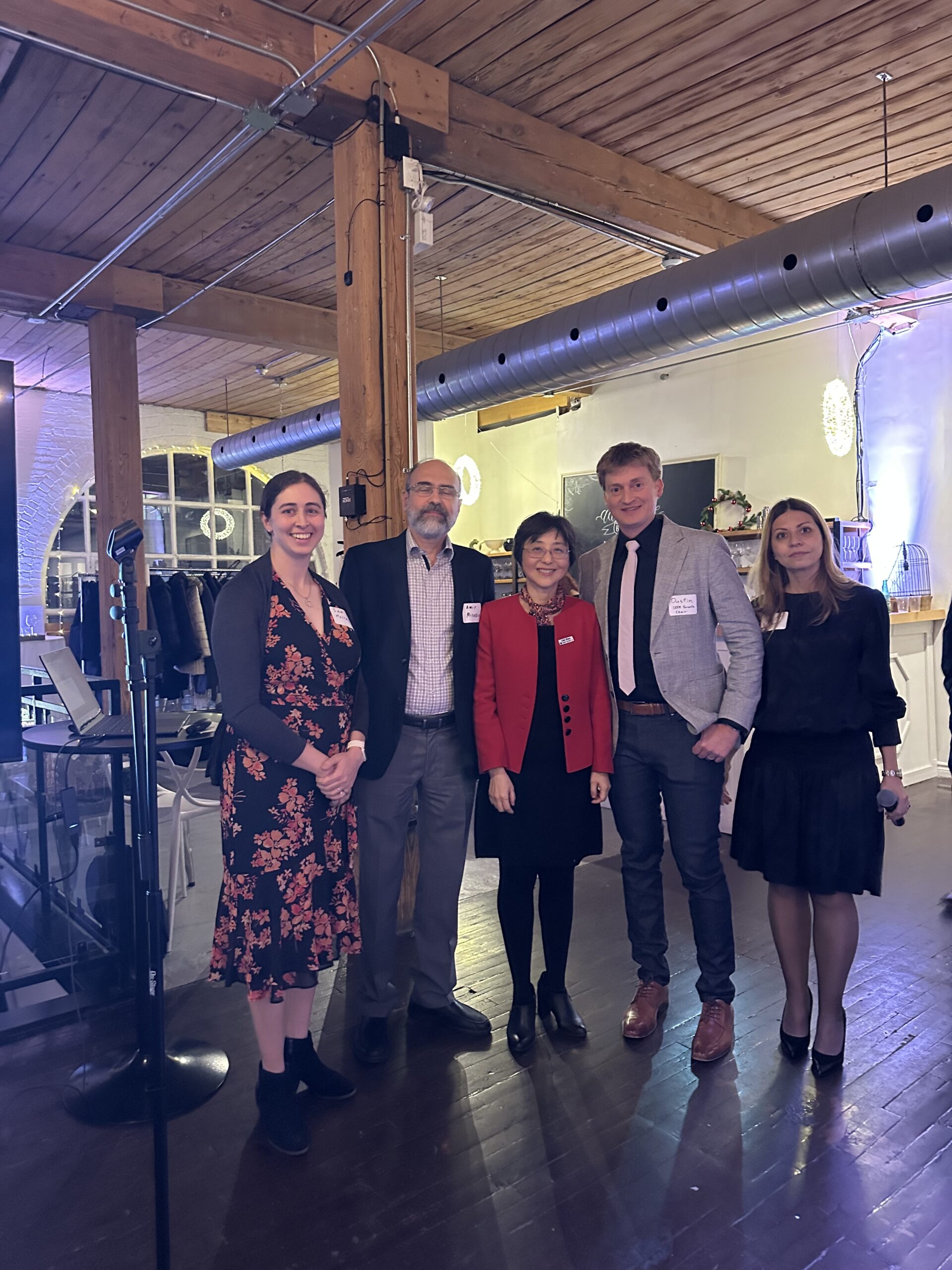
Toward the end of the event, the Nomination Committee Chair, Maryam Davoudpour, announced the Section election results for the 2026–2027 term. The elected members are Lian Zhao, Amir Miragha, Julia Wagner, and Samantha Murray, who will serve as Section Chair, Vice Chair, Treasurer, and Secretary, respectively. Best wishes to the new leadership team!

Integrated Wireless Networks for Universal Connectivity

Despite significant advances in wireless communication, disparities in access to reliable infrastructure remain severe. Rural and remote communities, Indigenous populations, and economically underserved areas continue to encounter substantial barriers to digital inclusion. This persistent digital divide restricts access to education, healthcare, economic opportunities, and essential public services. Traditional wireless networks rely heavily on fixed ground infrastructure, such as cell towers and fibre backhaul, which is often economically unviable or logistically difficult to deploy in sparsely populated or geographically challenging regions. Tackling this imbalance requires rethinking how networks are designed, deployed, and managed. 

New research ideas and collaborative efforts are really imporatnt in next-generation communication technologies that prioritize coverage, resilience, and adaptability, alongside throughput and latency, to enhance inclusive and equitable connectivity. A key insight driving this work is that bridging the digital divide requires moving beyond traditional two-dimensional network models. 3D network architectures that integrate aerial and space-based platforms with terrestrial infrastructure are essential for the development and optimization of fifth-generation (5G) and future sixth-generation (6G) network architectures (which are intelligent, integrated, and resource-aware). Furthermore, advanced resource allocation and management techniques are essential to support heterogeneous traffic and strict quality of service (QoS) requirements, especially in underserved regions with inherently limited resources.

One significant component of this advancement and future vision is the space-air-ground-sea Integrated (SAGSI) network (as the figure below shows) concept, which integrates terrestrial networks with satellites, unmanned aerial vehicles (UAVs), and marine communication systems to provide seamless, global connectivity. By dynamically coordinating resources across these layers, SAGSI networks can extend coverage well beyond what traditional cellular systems can achieve. This strategy is especially important for northern regions, remote communities, and disaster-affected areas, where rapid deployment and network resilience are critical.

Within this integrated framework, UAV-assisted wireless networks play a pivotal role. UAVs can serve as flying base stations or mobile relays, providing on-demand connectivity in locations where ground infrastructure is unavailable, damaged, or insufficient. My research addresses the unique technical challenges associated with UAV-based systems, including limited onboard energy, dynamic mobility, and fluctuating traffic demands. These systems can maximize coverage and service quality while minimizing energy consumption by employing intelligent algorithms for 3D placement, trajectory optimization, and resource allocation. Using artificial intelligence (AI) and machine learning (ML), UAVs can adapt in real time to user mobility and traffic patterns, thereby enabling reliable and sustained connectivity rather than short-term or ad-hoc solutions.

In order to manage the complexity of these dynamic 3D architectures, leveraging digital twins in wireless networks is the emerging new paradigm. Digital twins are high-fidelity virtual replicas of physical systems that allow for real-time monitoring, prediction, and optimization. When it comes to connectivity in underserved areas, digital twins help network designers simulate deployment options, assess performance differences, and plan infrastructure investments before physical deployment. This data-driven method reduces costs, improves reliability, and enables evidence-based decisions for inclusive network design, especially as networks become more complex in the 6G era.

Semantic Communication is another emerging paradigm, which can significantly reduce communication overhead, making it particularly useful in bandwidth-limited or high-latency environments common in remote areas. By transmitting only semantically relevant information, networks can sustain essential services even under severe resource constraints.

Bridging the digital divide extends beyond technical factors, yet innovation remains a vital enabler. Through research on integrated networks, UAV-assisted systems, intelligent resource management, and digital twins, practical and scalable solutions that enhance connectivity, inclusivity, and resilience can emerge. As IEEE continues to shape the future of communications, it is essential that next-generation technologies do not just make networks faster but also ensure that geography no longer limits opportunity.

Dr. Waleed Ejaz

Dr. Waleed Ejaz is a Lakehead University Research Chair and Associate Professor in the Department of Electrical and Computer Engineering at the Barrie Campus of Lakehead University, Ontario, Canada. He received the Lakehead Research Excellence Award for his significant research contributions during 2022–2024. Before joining Lakehead University, Dr. Ejaz served as an Assistant Professor in the Department of Engineering & Applied Science at Thompson Rivers University, Kamloops, British Columbia (2018–2020). He has also held academic and research appointments at Toronto Metropolitan University (formerly Ryerson University), Carleton University, and Queen’s University, contributing to teaching, research, and collaborative innovation across multiple Canadian institutions. Dr. Ejaz earned his B.Sc. and M.Sc. degrees in Computer Engineering from the University of Engineering and Technology, Taxila, and the National University of Sciences and Technology (NUST), Islamabad, Pakistan, respectively. He received his Ph.D. in Information and Communication Engineering from Sejong University, South Korea. His research focuses on Internet of Things (IoT) communication and networking, 6G and beyond wireless networks, machine learning and artificial intelligence for wireless systems, and mobile edge computing. He has co-authored over 150 peer-reviewed journal and conference publications and three books in these areas. Dr. Ejaz has an active record of editorial and professional service. He currently serves as an Associate Editor for the IEEE Open Journal of the Communications Society and Springer Wireless Personal Communications. He has previously served as an Associate Editor for IEEE Communications Magazine and the IEEE Canadian Journal of Electrical and Computer Engineering. He has also completed a certificate program in Teaching and Learning in Higher Education at the Chang School at Toronto Metropolitan University, reflecting his strong commitment to pedagogical excellence. He is a registered Professional Engineer (P.Eng.) in Ontario and a Senior Member of IEEE.

Dr. Ejaz has been actively engaged with IEEE through research, service, and leadership roles. He currently serves as the IEEE Student Branch Counselor for the IEEE Lakehead Barrie STEM Hub Student Branch, where he mentors undergraduate and graduate students and supports professional development, technical activities, and industry engagement. In addition, he is a member of the Executive Committee of the IEEE Toronto Section, contributing to regional IEEE initiatives, conferences, and outreach activities. Through these roles, Dr. Ejaz remains committed to strengthening the IEEE community, fostering student engagement, and enhancing IEEE’s impact across academia and industry.

Currently, Dr. Ejaz research focuses on 3D network architectures that integrate aerial and space-based platforms with terrestrial infrastructure, harnessing the sky to connect the unconnected. Primary focus is on the development and optimization of fifth-generation (5G) and future sixth-generation (6G) network architectures that are intelligent, integrated, and resource-aware. Beyond infrastructure and architecture, his research also investigates emerging paradigms such as semantic communication, where the focus shifts from transmitting raw data to conveying meaningful information.

IEEE Toronto Election

Dear Colleagues, Members of IEEE – Toronto Section:

As you may know, the IEEE – Toronto section membership elects the Section’s officers every Two Years according to the IEEE Nomination and Election process. This year 2025 is an Election Year.

The 2025 Nominations Committee is as follows:

  1. Dr. Maryam Davoudpour – Past Chair of Toronto Section ( Email: maryam.davoudpour@ieee.org)
  2. Dr.  Olivier Trescases – Previous Past Chair of Toronto Section ( Email: olivier@ieee.org)
  3. Dr. Emanuel Istrate – Previous Past Chair of Toronto Section ( Email: e.istrate@ieee.org)

We would like to officially start the nomination process on June 19 2025 and will continue to accept nominations until September 10th ( E.B.D. – End of Business Day ).

This is an official invitation to all of you who would like to contribute to the leadership of our Section and feel that you can contribute and represent the vision and Mission of IEEE in Toronto, Canada and Globally.

We encourage you to nominate yourself for the election process to fill the following positions as Officers of the IEEE Toronto Section, and Leading members of the Section’s Executive committee. The 2026 Officers positions to be elected are:

  1. Chair
  2. Vice Chair
  3. Secretary
  4. Treasurer

At this stage, you can nominate yourself to one or more of these positions. There is no requirement for endorsement from any other members for nomination. Previous Volunteering / Officer Experience with IEEE or any other engineering or professional association is not mandatory but is a definite preference for sustainable leadership of the section’s activities and operations.

You can nominate yourself, by completing the nomination form using this link.

If you have any questions, concerns, or require any further details about the positions and/or the process, you can contact any member of the nomination committee listed above.

You will be notified after September 20th 2025, about the next steps of the election process.

The final results of the election will be announced at the IEEE- Toronto Section AGM in Fall 2025.

Sincerely

Dr. Maryam Davoudpour,

IEEE Toronto Past Chair –
2025 Nominations Committee Chair

Bridging AI and Healthcare

Artificial Intelligence (AI) has brought forth a transformative and impactful change in various fields, with medicine being prime among them. AI tools are used to advance patient care, from inpatient academic hospitals to rural outpatient clinics. Providers can use AI tools for a variety of tasks, from writing their encounter notes to deducing full treatments for complex and often chronic patients. Two of these tools, OpenEvidence and BridgeAI, are at the top of their industry and provide physicians with the capabilities to optimize their work and improve patient outcomes. In this article, we will provide an introductory look at these two tools and outline how physicians and other healthcare professionals can utilize them in their daily practice. 

The near-universal adoption of electronic medical record (EMR) systems has fundamentally transformed healthcare as we know it today. The ability to securely access confidential patient information from a centralized source with just a few clicks has greatly improved clinical efficiency and patient safety. However, the promise of EMR systems has often been overshadowed by the growing burden of documentation, especially in outpatient settings. In a large-scale study involving over 200,000 physicians, Zhou et al. (2023) found that clinicians who authored the longest notes spent significantly more time working in the EHR after hours and were less likely to close patient visits on the same day1. In this field, Abridge AI emerges as a particularly exciting advancement, offering to reduce charting burden without sacrificing provider oversight. Abridge AI is a generative AI tool that captures audio during patient-provider encounters and transcribes it into structured clinical notes that can be edited within the EMR system. Unlike standard voice-to-text software, Abridge AI is specifically trained on medical language and clinical workflows. During the encounter, it extracts key clinical concepts – such as symptoms, medications, assessments, and plans applies appropriate medical context, and generates concise, well-structured notes. Its integration with EMR systems minimizes the need for copy-pasting and manual uploads. Additionally, because it records the patient-provider conversation, clinicians can refer back to the audio for more accurate charting. The system is HIPAA-compliant and currently supports 28 languages. By enhancing the accuracy and efficiency of documentation, Abridge AI not only helps reduce physician burnout but also frees up more time for meaningful patient care. 

Another area in which AI has shown meaningful advances in the medical field is in the exploration of diagnostic work-ups and plans for complex patients. OpenEvidence (OE) is an AI tool which functions similar to the various OpenAI tools on the market. The physician inputs a prompt with some patient information and any questions they might have. Subsequently, OE produces a clinical answer for the query and details how it connects to the patient’s overall health. OE references various national databases to find the most current research and care algorithms to aid in finding the next steps for any given patient. OE not only provides pathophysiology relating to a disease but also provides exact medication and dosages appropriate for different patients. Given that every medical subspeciality has their own recommendations for treatment, OE is able to source information straight from these guidelines and provide the most up-to-date and current recommendations to physicians. It also references various clinical studies and provides the most recent statistics from these studies to inform the decision making process. Combined, it can provide the most recent and accurate medical information to support  physicians in their patient care. 

In all, the surge in artificial intelligence platforms has opened grand horizons for the medical field. From EMR facilitation to the most accurate medical information, BridgeAI and OpenEvidence showcase the accessibility and ease with which physicians today can treat their patients. 

References: Zhou, L., Wright, A., Kanter, M. H., McDonald, C. J., & Linder, J. A. (2023). Documentation dynamics: Note composition, burden, and physician efficiency. NPJ Digital Medicine, 6(1), 42. https://doi.org/10.1038/s41746-023-00768-z

Authors: Hamza Hussain & Jashan Khaira 

Hamza Hussain is a second-year medical student at Oakland University William Beaumont School of Medicine with a strong foundation in molecular, cellular, and developmental biology from the University of Washington. He is passionate about health equity, pediatric neurology, and global health. Hamza has conducted research in both the United States and Canada, including two years of clinical and volunteer experience at Oakville Trafalgar Memorial Hospital in Ontario. He is actively involved in student leadership, including serving as President of the South Asian Medical Outreach Association, and continues to contribute to pediatric neurology research at Corewell Health in Royal Oak.  He is also engaged in  various research projects spanning AI, Robotics and E-Health in Multidisciplinary Computational Public Safety research lab in Toronto Metropolitan University, Toronto.
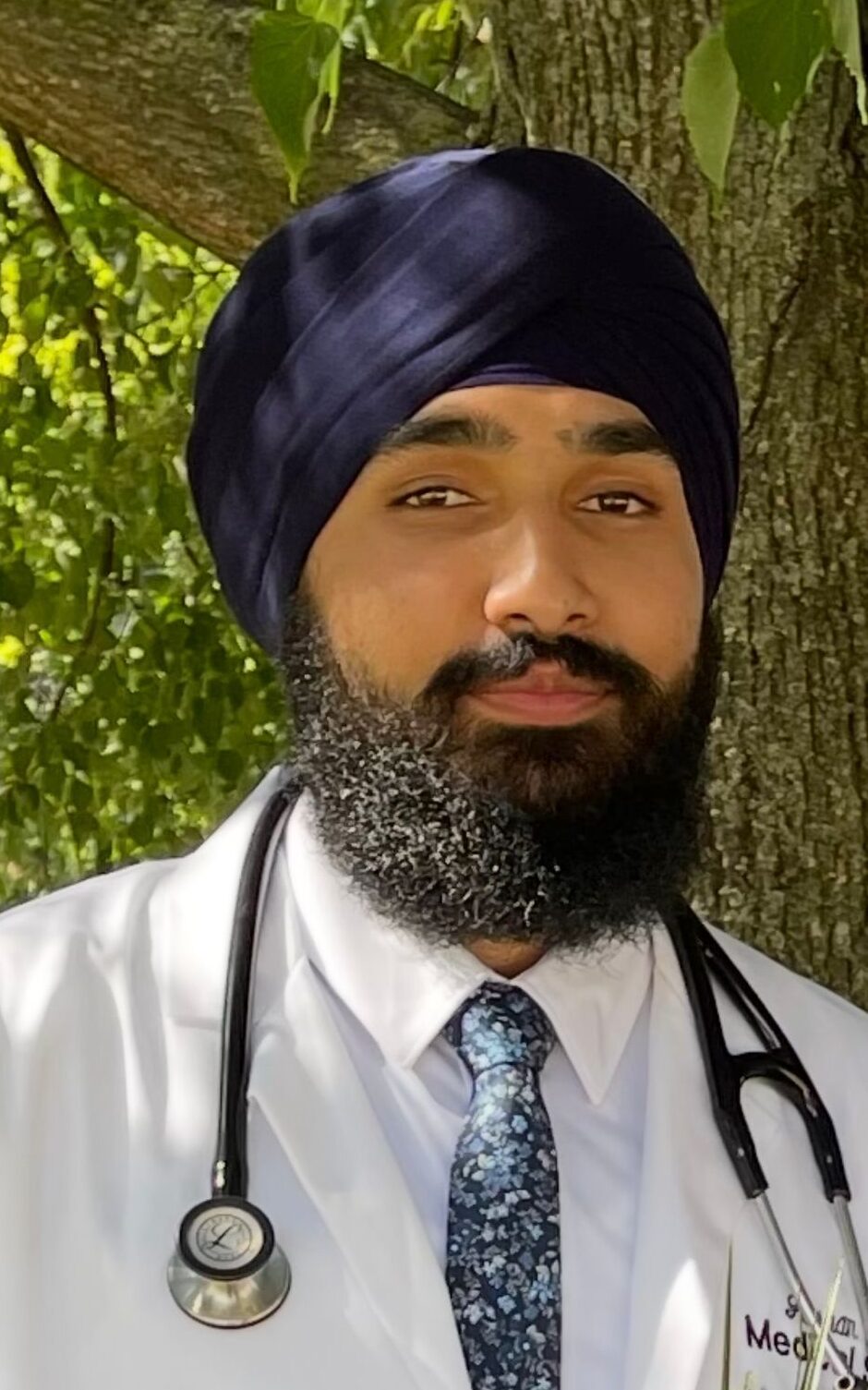
Jashan Khaira is a third-year medical student at Oakland University Wiliam Beaumont School of Medicine. He’s a member of American College of Physicians with strong interest in internal medicine. He’s passionate about underserved communities and is involved in leadership groups such as Harm Reduction Alliance at OUWB medical school.
Terahertz Nano-Bio Communication: Unlocking Wireless Networks Within the Human Body

The convergence of nanotechnology and bio-electromagnetics has opened a promising frontier in intra-body wireless communication. Among emerging modalities, the terahertz (THz) frequency band—spanning 0.1 to 10 THz—stands out for its unique potential to bridge the gap between traditional radiofrequency and optical systems. Terahertz waves are non-ionizing, ensuring safety in biological applications, while their photon energies match the vibrational modes of biomolecules, making it possible to interact with biological processes. 

The development of THz nano-bio communication systems is driven by the vision of intelligent, bio-integrated networks capable of exchanging data, monitoring biochemical activity, and actuating therapeutic responses, all within living tissue. This vision demands a comprehensive understanding of how THz waves interact with biological systems across multiple scales, as well as innovative tools to guide these interactions. 

Understanding THz Waves in Biological Tissue

At the tissue scale, THz wave propagation is shaped by the lossy and dispersive nature of biological media. Layers such as skin, fat, and muscle differ in water content and structure, resulting in frequency-dependent absorption. Blood, with its high-water content and constant motion, introduces dynamic absorption and Doppler-related phase shifts that must be accurately modeled. However, its vascular architecture also provides a potential pathway for guided signal transmission and intra-body networking.

To predict how THz waves travel through these heterogeneous environments, researchers rely on multiscale modeling. Analytical methods such as Debye and Cole–Cole models offer insights into dielectric behavior, while full-wave simulations like finite-difference time-domain (FDTD) and finite element methods (FEM) capture spatially complex interactions. These tools inform the design of THz systems that can operate effectively under in-vivo conditions.

At the molecular level, biomacromolecules—including proteins, enzymes, and nucleic acids—exhibit intrinsic vibrational and rotational resonances within the THz band. These resonances are not just passive markers for detection; they can be actively excited by THz fields. This capability underpins THz-driven molecular actuation, where targeted radiation modulates biomolecular conformations, disrupts weak bonds, or triggers folding transitions. Such effects can be harnessed to influence biochemical pathways, control synthetic nano-bio systems, or trigger therapeutic responses, thereby transforming the THz band from a passive diagnostic tool to an active agent for nanoscale biophysical control.

Nanoantennas: The Tiny Gateways of THz Communication

To harness these interactions effectively, a key enabling technology is the use of plasmonic nanoantennas, which are metallic nanostructures designed to confine and enhance THz fields at sub-wavelength scales. These antennas support localized surface plasmon resonances, which allow strong coupling between the incident THz radiation and biomolecular targets. When integrated into biosensing platforms, plasmonic nanoantennas can amplify weak molecular signals, increasing sensitivity and enabling detection of small quantities of analytes such as proteins, DNA, or pathogens. Moreover, nanoantenna arrays, which refer to spatially distributed networks of nanoantennas, are being engineered to form compact and directional transceivers for nanoscale THz communication. These arrays can be tuned to specific THz frequencies and tailored to interface with target tissues or cellular structures. When embedded in biocompatible substrates, they support localized wireless communication within organs or across cellular interfaces.

The seamless integration of THz transceivers into the Internet of Nano Things (IoNT) within the human body could revolutionize how we sense, monitor, and treat disease. By forming a dense network of nanoscale nodes capable of local communication and external relaying, these systems would support distributed intelligence at the cellular and tissue levels. This architecture enables real-time physiological monitoring, early detection of pathological changes, and precisely targeted therapeutic interventions, all with minimal invasiveness. In the long term, such embedded nano-networks could serve as the foundation for autonomous, self-regulating biomedical systems, transforming personalized healthcare from reactive to proactive, and from external observation to internal orchestration.

Author: Dr. Hadeel Elayan

Dr. Hadeel Elayan

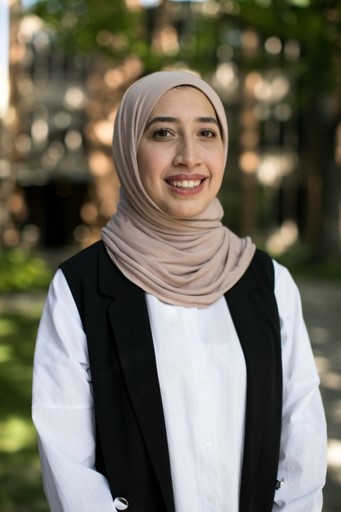
Dr. Hadeel Elayan is a postdoctoral fellow at the Ultrabroadband Nanonetworking Laboratory at Northeastern University. She currently serves as Co-Chair of the IEEE Communications Society (ComSoc) Toronto Chapter, where she joined in 2020. In this leadership position, she has played a key role in strengthening the chapter’s impact across the IEEE Toronto Section by organizing events that engage researchers, industry professionals, and young engineers. Notable events she has led include the IEEE Toronto 5G Summit, Leaders of Tomorrow Forum, and the Inter-Society Distinguished Lecturer Day.

Within IEEE, Dr. Elayan has held several prominent roles in international conferences and editorial activities. She served as a Technical Program Committee (TPC) Track Chair for the IEEE Vehicular Technology Conference (VTC) 2025 and as a Guest Editor for the IEEE Transactions on Molecular, Biological, and Multi-Scale Communications (TMBMC) in 2025. She served as TPC Co-Chair for the 11th ACM International Conference on Nanoscale Computing and Communication (NANOCOM) in Milan, Italy, in October 2024. Dr. Elayan also regularly serves as a reviewer for IEEE TMBMC, contributing to the peer-review process in her field of expertise.

Dr. Elayan earned her Ph.D. in Electrical and Computer Engineering from the University of Toronto, Canada. At the heart of her research lies a vision to connect the unconnected by bridging the physical, digital, and biological domains through next-generation wireless systems. With the rapid advancement of 5G, the Internet of Things (IoT), and the emergence of 6G technologies, her work envisions a future of pervasive connectivity—from wearable health monitors to implantable devices within the human body.

Her research delves into the nanoscale, where she explores the terahertz (THz) frequency band, an unconventional yet promising spectrum for bio-integrated communication. Terahertz waves offer key advantages, including compact transceiver design, non-ionizing radiation, and photon energies that match biomolecular vibrational modes.

Dr. Elayan’s investigations span multiple biological scales. At the tissue level, she develops models to analyze THz signal attenuation and propagation. At the molecular level, her work examines how THz radiation interacts with specific protein resonances to trigger functional changes, enabling novel biosensing mechanisms. This multiscale approach not only informs the development of realistic intra-body communication systems but also supports the design of THz biosensors for detecting conformational shifts in proteins.

In recognition of her contributions, Dr. Elayan was named an N2Women Rising Star in 2024 and selected as one of the Innovators Under 35 MENA by MIT Technology Review Arabia in 2023. Most recently, she was awarded the Mojgan Daneshmand Grant from the IEEE Antennas and Propagation Society.

Through her interdisciplinary research, leadership in the IEEE community, and commitment to advancing next-generation wireless technologies, Hadeel’s work continues to bridge the gap between engineering and biology, driving innovation at the intersection of connectivity, health, and human-centered technology.

Women in Communications Engineering (WICE) – ICC 2025

The Women in Communication Engineering (WICE) event was held in Montreal during eventful IEEE ICC 2025. It  brought together a dynamic community of researchers, leaders, and early-career professionals to celebrate and amplify the contributions of women in the communication and engineering field.

With thought-provoking panels, mentoring sessions, and inspiring keynotes, WICE 2025 fostered meaningful dialogue on leadership, inclusion, and cutting-edge innovation. From technical insights to career journeys, the event spotlighted the power of diversity in driving forward the future of engineering. WICE event also brought together an inspiring lineup of speakers who shared their work, stories, and guidance with the next generation of engineers.

Dr. Fatima Hussain and Dr. Hina Tabassum, from the Toronto Section, joined as a mentor and a panelist respectively. Dr. Fatima guided students and young professionals on navigating careers in the tech industry and shared her experience from innovation to leadership transitions. Dr. Hina Tabassum served as a panelist, sharing her expertise in “Research & Industry Challenges of AI adoption in 6G”.

The event was thoughtfully organized by Dr. Toktam Mahmoodi, and collaborated by many other volunteers. Diverse group of volunteers and their commitment to inclusion set the tone for a meaningful and impactful gathering. Voices of strong women across academia and industry made this year’s WICE session a successful event.